Home
>
Baby & Kids' Room Decor – Tips & Inspiration
>
The Symbolism of Animals in the World of Childhood

The Symbolism of Animals in the World of Childhood
Animals hold an essential place in the world of childhood. From a very young age, they become imaginary companions, reassuring figures and vessels for emotion. Whether found in books, toys, stories or illustrations, animals actively help shape a child's imagination.
But why is this fascination so strong? And what do animals really represent in a child's emotional and affective development?
Why are children so fascinated by animals?
Children are naturally drawn to animals because they perceive them as living beings who are both familiar and mysterious. Animals let children project their emotions without judgement: fear, joy, anger or tenderness all find an easy echo through them.
In a child's imagination, animals become fully-fledged characters. They talk, feel, protect or reassure. This personification helps the child understand the world and put words to what they feel.
Animals as emotional reference points
Each animal carries a strong symbolism that resonates with a child's emotional needs.
🐻 The bear: protection and security
The bear is often associated with quiet strength and protection. It represents the family cocoon, security and kindness. For many children, the bear becomes a reassuring figure, almost a parental one.
👉 Personalised bear family print
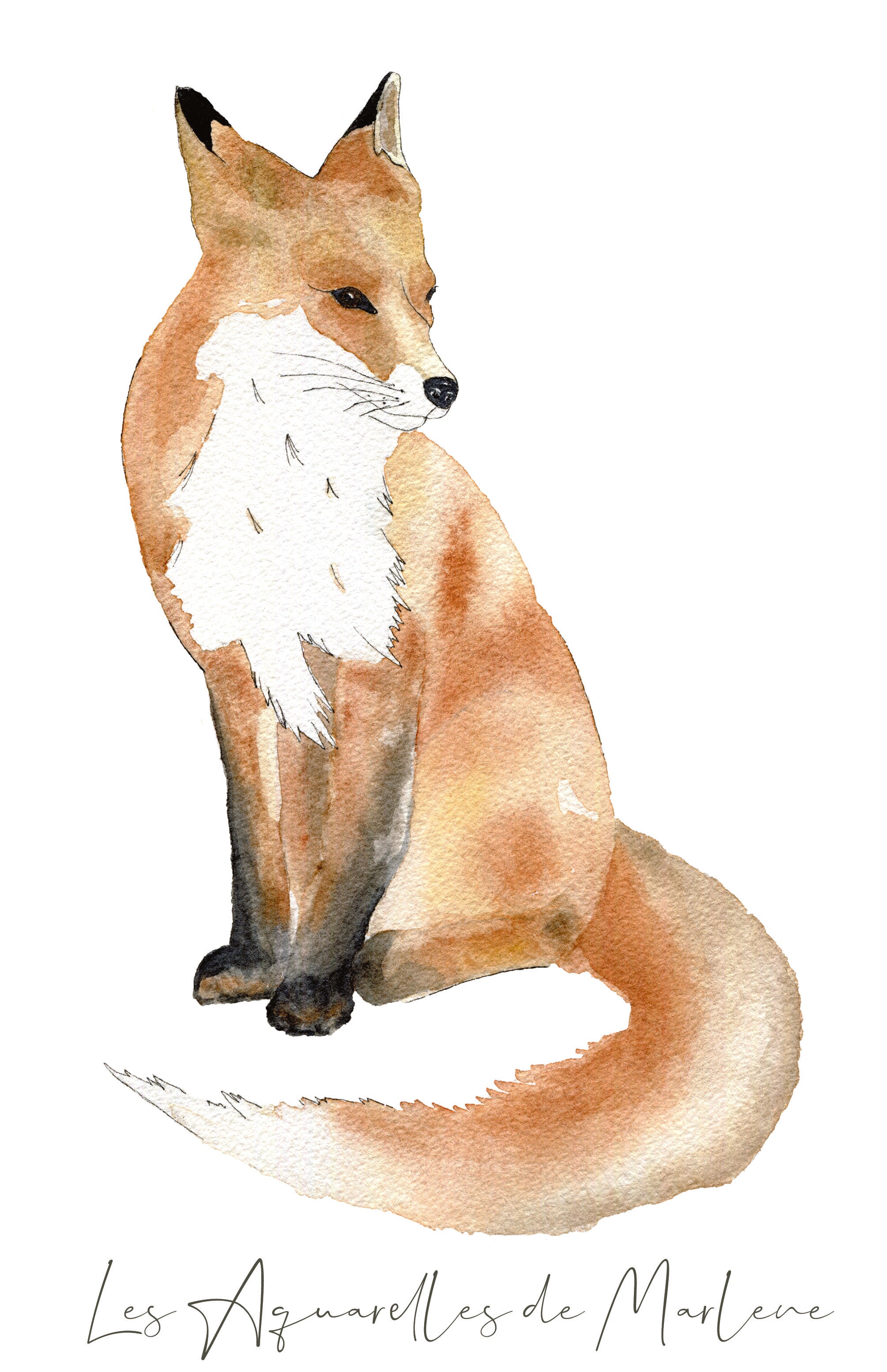
🦊 The fox: curiosity and intelligence
The fox symbolises observation, curiosity and adaptability. It encourages the child to explore, ask questions and develop their creativity.
🦁 The lion: courage and confidence
The lion embodies strength, self-confidence and courage. It helps the child feel strong, capable and valued.
🐰 The rabbit: softness and sensitivity
A delicate and attentive animal, the rabbit is often associated with tenderness, sensitivity and calm. It soothes and reassures.
The role of animals in developing a child's imagination
Animals play a fundamental role in developing a child's imagination. Through them, children invent stories, create worlds and develop their creativity. Illustrations and visual depictions of animals extend this imaginative world well beyond play.
A soft, expressive image can become a narrative support, a starting point for inventing stories, expressing emotions, or simply dreaming.
Animals, art and a child's sensitivity
Art, and animal illustration in particular, creates a strong emotional bond with the child. The shapes, colours and expressions of animals help build a soothing, reassuring atmosphere.
Animal illustrations with soft lines and natural colours foster a calm environment, conducive to imagination, relaxation and emotion. They accompany the child through everyday life without excessive stimulation.
👉 Watercolour baby animal illustrations
Why animals remain timeless in childhood
Unlike some fleeting trends, animals span generations. They're part of a universal language understood by all children, whatever their age or culture.
Animals allow simple, sincere and profound stories to be told, while leaving plenty of room for personal interpretation. It's this timelessness that explains why they still hold a central place in the world of childhood.
Conclusion
Animals are much more than simple decorative or playful figures. They are powerful symbols, carrying emotions, values and imagination. Through them, children explore their feelings, build their sensitivity and develop their creativity.
Bringing animals into the world of childhood, whether through play, books or art, means offering children a reassuring, poetic support as they grow.
FAQ
Why do children love animals so much?
Animals let children project their emotions, reassure themselves and develop their imagination without judgement.
Do animals carry a particular symbolism for children?
Yes, each animal conveys specific values such as protection, softness, courage or curiosity.
Do animal illustrations have an impact on children?
Soft, expressive illustrations foster a soothing emotional climate and stimulate the imagination.
At what age do animals start to matter in a child's world?
From early childhood, animals become emotional and imaginative reference points.
Share